
How to Tell the Difference Between Light and Full Body Wine
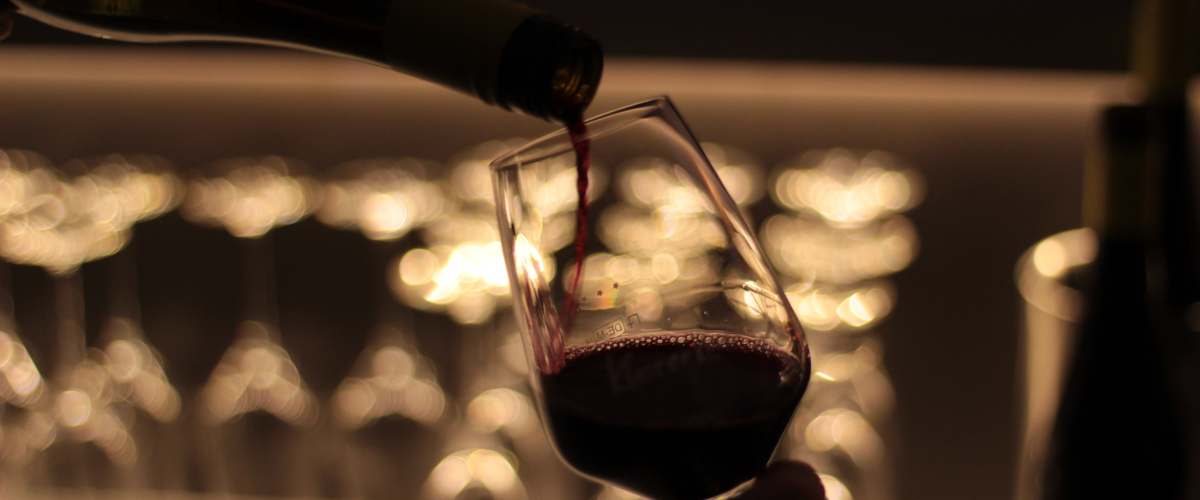
It all comes down to mouthfeel.
by Erin Henderson
One of the wine styles that most stumps our students is whether a wine is light, medium or full bodied. For the newbie wine drinker – and even for the seasoned – deciding if the Cabernet swishing around their mouth may as well be decided by throwing a dart at a bullseye.
We have an exercise we lead the class through which you can do at home: take a sip of water and hold it on your pallet for a few seconds. Think about the impression it's making on your tongue. Swallow the water and consider how much is water is still detectable. Now do the same thing with full-fat milk. How does the texture and weight differ from that of water? Finally, sip some cream (my favourite part) and consider the impact of that liquid in your mouth.
Hopefully you will be left with the idea that water is light, milk is medium, and cream – glorious, luscious cream – is full.
And that's a pretty apt illustration of wine body, as well.
The body of a wine is the texture, or weight, of how the wine feel in your mouth. Factors that influence the body wine include alcohol levels, sugar, and tannin.
You may also like: What's the Difference Between Acid and Tannin?
Both red wines and white wines can be full or light bodied. It all depends on the way the wine is made, and the grape itself.
Usually wines with high alcohol (let's say 14% and higher) are full bodied, whereas wines with lighter alcohol (let's say 12% and lower) are lighter bodied. This all comes down to science: alcohol's molecular structure is heavier than the molecules found in water, so the more alcohol, the more weight.
Tannin, which is mostly found in red wine due to the red's contact with grape skins, seeds, stems – as well as oak barrels – also contribute to the weight of a wine. Therefore, the thicker the skin of the grape, like we find with Cabernet or Syrah, and the longer juice stays in contact with the grape skin, the tannin is usually higher and generally the perception of body. But not all red wines are full bodied; some reds, like Gamay or Pinot Noir, are usually lower in tannin and generally considered light-to-medium bodied. And the reverse can happen for white wines: some whites spend a good amount of time in oak barrels, such as some Chardonnay, so these can be full bodied wines.
And wines with higher sugar content, like Ports or dessert wines, tend to have a fuller body, just like the viscosity of sugar syrup is fuller than that of water.
You may also like: How to Taste Wine
Acidity will also play a role in body, but unlike alcohol, tannin, and sugar, the more acidity in the wine, usually the lighter the wines feels. And this makes sense because acidity naturally brightens foods and drinks. Think about a salad dressing made from vinegar versus one made from cream. The vinaigrette will always feel lighter. So wines with bright acidity – Champagne, Sauvignon Blanc, or Pinot Grigio, for example – feel lighter on the palate.
Popular examples of full body wine include Cabernet Sauvignon and Syrah for reds; oaked Chardonnay and Viognier for whites. Medium bodied wines (which can sometimes be tricky because like anything on the fence they can tip either way) would be Merlot and Chianti (Sangiovese) for reds, and Riesling and Pinot Gris for whites. And light body wines include Pinot Noir and Gamay for red; Pinot Grigio and Sauvignon Blanc for white.
Obviously, body comes down to personal preference, but wine drinkers naturally gravitate to lighter styles in the warm months, when we want refreshing, thirst quenchers, and fuller in the cold months when we crave cozy sustenance.
But that doesn't mean there isn't a place for all weights of wine all year round: I prefer light body wines for pre-dinner snacks and meals that are vegetable-heavy or have leaner meats; and with robust roasts, braises and barbecues, full bodied wine is the better option to stand up to the food.
Your next read: How to Pair Food & Wine