What's the Difference Between High Elevation and Low Elevation Wines?
The attitude of altitude.
by Erin Henderson
The most thrilling wine region I have ever visited is the soaring hills of Prosecco in northern Italy.
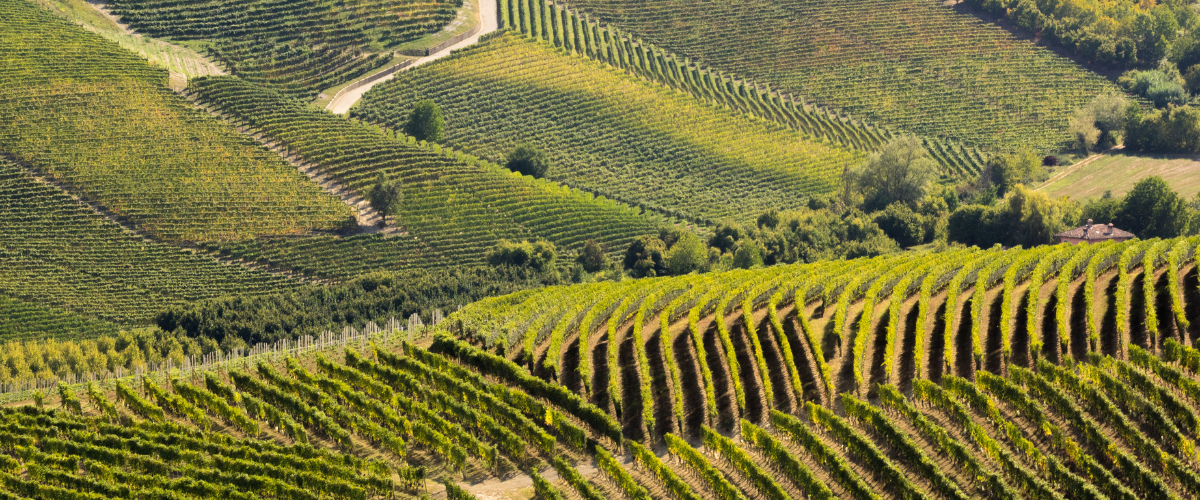
There, the nearly vertical, lush green foothills of the Dolomite mountains in Conegliano and Valdobbiadene, are a UNESCO World Heritage site. Steep is an understatement. These soaring mini-mountains are nearly cliff-faces, perpendicular to the ground 1,600 feet below, with crumbling, ancient marine soil no machinery would ever dare to traverse.
The height and slope is so severe it's nearly vertigo-inducing in the most exhilarating way.
You may also like: Tiny but Mighty: The Quiet Force of Alto Adige
Of course, Prosecco isn't the only wine region to boast such aerial heights: Argentina's Mendoza, Austria's Steiermark, and France's Savoie are just a few areas that cause the dizzying thrill of high elevation wine making.
The sight of these magnificent giants certainly inspires a romance to the wine produced close to the clouds. But what's the actual science behind the scenic artistry?
Defining High Elevation
Just like downhill skiing, where the temperatures are cold, but sunburns are possible, it's similar for grape growing. Obviously, plants only grown in the summertime, but high in the hills, where the temperatures are cooler, and the UV rays stronger, there's a longer, slower ripening process which preserves acidity in the fruit. Because the grape has to protect itself from the sun's rays, it develops thicker skins of deeper colour. The paradox is delicious: highly concentrated wines rich with colour and tannic structure, but still fresh and elegant.
However, too high and the wind can turn harsh, and the climate too cold for robust ripening. In places like Burgundy's famed Côte d'Or, the most venerated vineyards are mid-slope: taking advantage of the warm sun, cooling winds and superb drainage, but avoiding the extremes of too high or low.
But does that mean only high-altitude slopes produce wine of significance?
If you've ever heard of Bordeaux, Napa Valley, or Barossa, then you can see this isn't always the case.
Defining Low Elevation
I remember sitting in the open-roofed SkyDome in Toronto (I will never call it by its boring corporate monikor of Roger's Centre), watching the Blue Jays play a fantastic game. Sitting along the thirdbase line, I was in the direct line of the sun, and despite wearing jeans, I ended up with scalded red thighs from the increasing intensity of the rays.
Valley floors and low-lying vineyards can experience something similar as they are often warmer, shielded from the wind, with more moisture (less drainage) in the ground. These factors all contribute to plush wines with generous fruit character, softer acidity, and rounder tannin.
More Than One Thing
The vineyard site itself: which direction it faces, the soil composition, and surrounding geology such as lakes, mountains or even forests, will affect the vines, as will the grape's DNA, its clonal selection, when and how they are harvested, and how the winemaker decides to go about turning those grapes into wine.
While the general characteristics remain true: high elevation means brighter acidity, leaner wines, and firmer tannin, while low elevation results in soft tannin and acidity and richer fruit, it's an ever-evolving game. Climate change is inspiring winemakers to play with vineyards and plantings at different heights, not to mention how the treatment in the winery will shape the final product.
Like anything that has to do with farming, grape growers need to work with both the land and the product. Just like a cactus will perform differently in a dessert than it will in a boreal forest, so will individual wine grapes. It would be egregiously oversimplified to attribute the quality of a wine based only on elevation.
Your next read: What's the Difference Between Champagne and Sparkling Wine?